


As you and your furry buddy snuggle into the couch for an evening movie marathon, you reach for a handful of buttery popcorn. Your cat or dog gives you those irresistible big doe eyes, innocently begging for a taste.
Is it okay to share? Is butter bad for your dog or cat? Let's get the deep dive on this popular condiment.
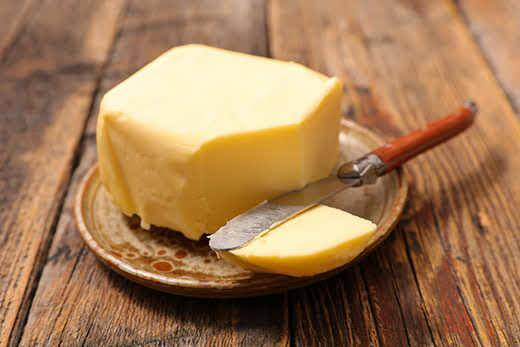 Is Butter Bad for Your Pet?
While butter isn't toxic to pets, it can cause issues including mild vomiting or diarrhoea, according to the Pet Poison Helpline (PPH). This is true of all fatty foods, including oils and grease. The PPH explains that if pets eat butter specifically, they may experience gastroenteritis, an inflammation of the lining of the intestines, or pancreatitis which is inflammation of the pancreas. Pancreatitis is important because it can be life threatening.
Some dog breeds (like miniature schnauzers) are more likely to develop pancreatitis than others, so it's a good idea to give your veterinarian a call if you know your pet has gobbled down a stick of butter or a plate of greasy table scraps. They can advise, based on your pet's breed and weight, whether or not you need professional assistance.
Bottom line: no, your pet shouldn't eat butter or any greasy foods, including margarine or butter substitutes made with oils. Instead, when you're having a snack, offer your pet a treat specifically made with their nutrition and body systems in mind. That's what cat treats and dog treats are for!
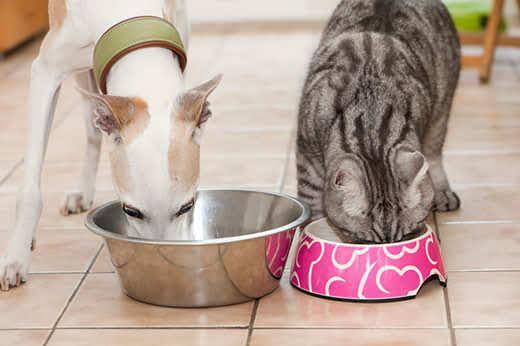


Tasty Tips
What to Do If Your Pet Eats Butter
But what if your sneaky pet is already licking their lips? What if your cat finished off the butter dish or your dog got a mouthful of movie-style popcorn when you were taking a bathroom break? It's not good for them, but again, butter isn't toxic. This means you don't need to rush to the emergency vet clinic unless they consume large amounts of butter.
Instead, call when the clinic is open to give the vet a heads-up on the situation. In the meantime, monitor your pet. If you notice any of the following clinical signs, contact your vet as soon as possible:
- Abdominal pain or tenderness
- Diarrhoea (with or without blood in the stool)
- Lethargic demeanour
- Reduced appetite
- Vomiting (may occur one to four days after eating the fat rich food)
To prevent your cat or dog from eating butter, keep it out of their reach. For cat lovers, this means being mindful of what you leave on kitchen countertops, dining room tables, bedside stands and any other surface your cat is allowed to explore. For families with dogs, be extra aware of what lingers on the coffee table or what foods the kids eat while sitting on the floor. Put away leftovers and unfinished plates right away to keep curious pets from eating something they shouldn't, like butter.
So, is butter bad for dogs? Is butter bad for cats? Yes, on both fronts. We all love sharing our food with our pets, but buttery bites are not a good choice. If you can't imagine not sharing something from your plate, stick with unsweetened fresh fruit or unseasoned veggies, like carrots, apple slices or unbuttered green beans with consent from your veterinarian. Or, place a couple of your cat or dog's favourite snacks next to your plate to make them think you're both eating the same tasty treats. Here's to healthy snacking with your four-legged companion!

Related articles

Develop your gut instinct | Hill's Pet
Digestive disorders can affect any part of the digestive system, from the stomach, small intestine and through to the large intestine.
Virtual Vet Visits: What You Need to Know
Learn the ins and outs of a televet appointment before you talk to a vet online.
Tips For Mixing Wet And Dry Pet Food
Discover tips for mixing wet and dry pet food to ensure balanced nutrition and variety for your pet. For comprehensive feeding advice, visit Hill's Pet UK.

Pet Body Condition Score - Check Your Pet's Weight | Hill's Pet
Monitoring your pet’s body condition score (BCS) can help you help your pet maintain proper growth and weight for a long, healthy life.

Put your pet on a diet without them knowing
Our low calorie formula helps you control your pet's weight. It's packed with high-quality protein for building lean muscles, and made with purposeful ingredients for a flavourful, nutritious meal. Clinically proven antioxidants, Vitamin C+E, help promote a healthy immune system.
Put your pet on a diet without them knowing
Our low calorie formula helps you control your pet's weight. It's packed with high-quality protein for building lean muscles, and made with purposeful ingredients for a flavourful, nutritious meal. Clinically proven antioxidants, Vitamin C+E, help promote a healthy immune system.