
Food & environmental sensitivities in dogs
Food & environmental sensitivities in dogs
Does your dog have signs of food or environmental sensitivities?
Dry, itchy skin is just one of the many symptoms that may indicate your dog is experiencing a bigger problem brought on by environmental sensitivities. In rare cases, these may also be signs of food sensitivities in dogs. These signs can be long-term, recurring, and should be noted to your vet.
Here are a few signs a dog might be experiencing food or environmental sensitivities.

Here are a few signs a dog might be experiencing food or environmental sensitivities.

Environmental sensitivities
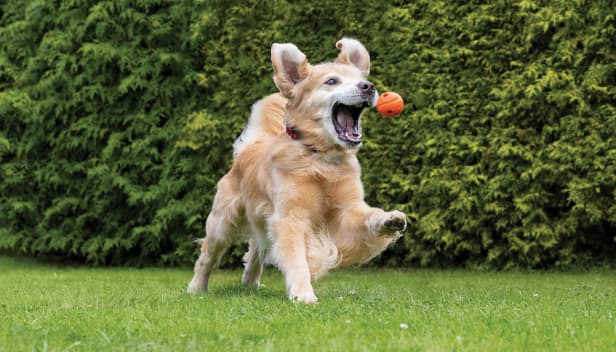
Recurring signs of environmental sensitivities may be caused by grasses, pollen or biting insects. They can be addressed with a multimodal treatment including medication to help reduce the immediate symptoms and nutrition for effective long-term management.


Environmental sensitivities
Recurring signs of environmental sensitivities may be caused by grasses, pollen or biting insects. They can be addressed with a multimodal treatment including medication to help reduce the immediate symptoms and nutrition for effective long-term management.


Food sensitivities
Food sensitivities in dogs are actually very uncommon - in fact, only 10% of dogs experience food sensitivities1! Rarely, however, some dogs may experience reactions to certain ingredients, and they are identified through food elimination trials conducted by your veterinarian. A food elimination trial is a process of finding and removing the food ingredient causing skin issues or digestive upsets.
Food sensitivities
Food sensitivities in dogs are actually very uncommon - in fact, only 10% of dogs experience food sensitivities1! Rarely, however, some dogs may experience reactions to certain ingredients, and they are identified through food elimination trials conducted by your veterinarian. A food elimination trial is a process of finding and removing the food ingredient causing skin issues or digestive upsets.
Managing a dog’s sensitivities
Managing a dog’s sensitivities can be a challenging process, and your first step should be visiting your veterinarian. They will help you find the right combination of nutrition, medication, and/or topicals for your dog.
Trust
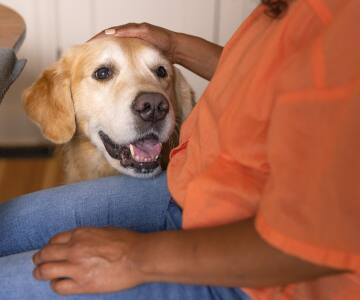
Living with a dog with food or environmental sensitivities can cause you both to be restless, but the road to improvement will require time, patience and trust in your vet. Remember - just like humans, every dog is unique, and the best solution will come from working with a professional to address your pet’s specific needs. Together, you’ll get on the right track to helping your best friend feel like their best self.

Nutrition
Clinical nutrition plays an important role in the long-term management of sensitivities in dogs. The right nutrition can promote healthy skin from within and help alleviate your dog’s signs. Even with treatment, some dogs may have recurring signs that will require adjustments along the way, and your veterinarian will be a helpful resource in managing your dog’s sensitivities.
Medication
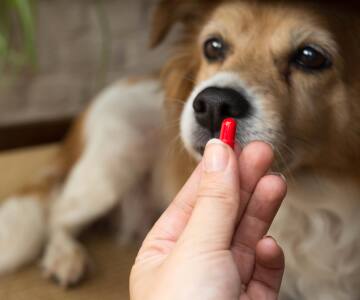
A vet may prescribe medication to help alleviate your dog’s signs of sensitivities. If you are wondering what you can give your dog for sensitivities, only give medication as recommended by your vet.
Topicals
Topicals can be used for managing skin conditions in dogs. There are various deliveries for topicals like shampoos, lotions, sprays or ointments. Reach out to your veterinarian to ensure a specific topical is appropriate for your pet’s skin condition and life stage.

Understanding nutritional support for food and environmental sensitivities
You’ll want to ask your vet about a few things when it comes to the suitable dog food for food or environmental sensitivities. For food sensitivities, ask about clinical dog food with a single novel protein or hydrolysed protein that is unlikely to cause a reaction. For environmental sensitivities ask about nutrition that can nourish and help protect from environmental irritants.


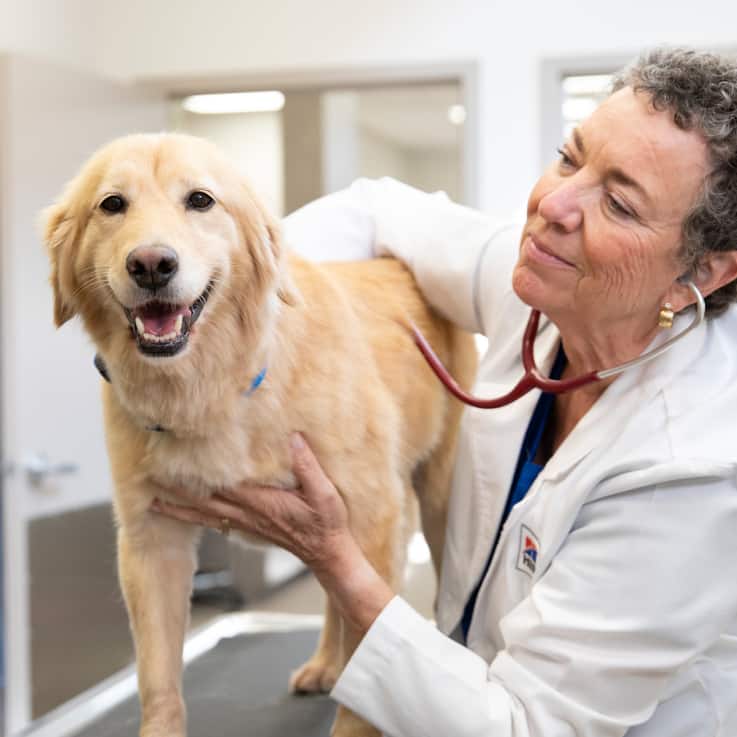
Time to see a veterinarian?
Talk to your vet about which nutrition is right for your pet.
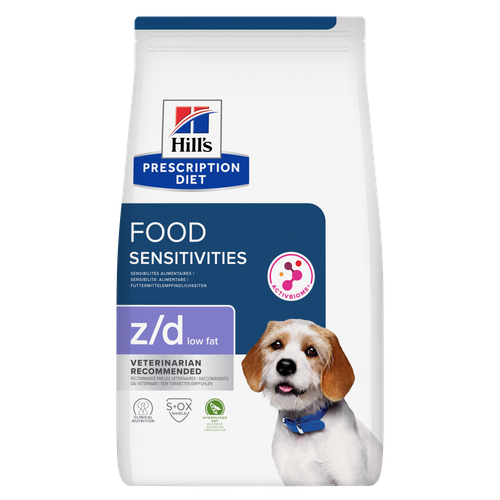
z/d Low Fat Dog Food
Clinical nutrition specially formulated with hydrolysed soy protein and low fat levels to help avoid adverse food reactions, while promoting healthy skin in dogs with food and fat sensitivities. Fortified with Hill's breakthrough ActivBiome+ Technology, which is clinically shown to rapidly activate the gut microbiome to support digestive health and well-being.
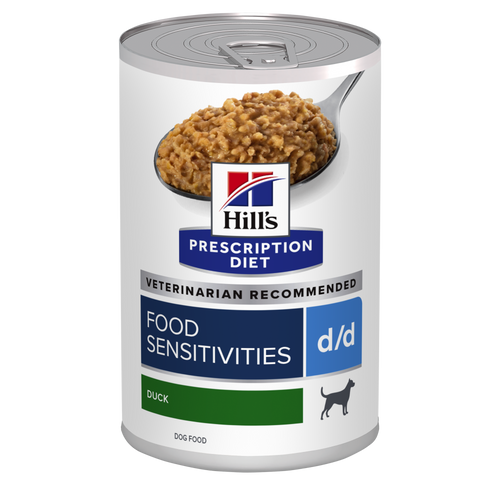
d/d Food Sensitivities Wet Dog Food Duck Can
Hypoallergenic - helps reduce food intolerances and supports skin health.
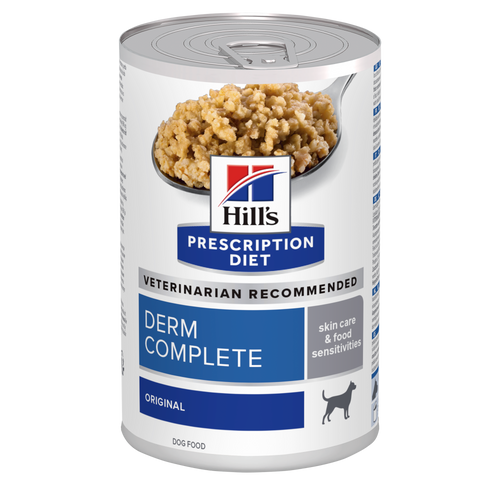
Derm Complete Wet Dog Food Original
Clinical nutrition specially formulated to help manage environmental & food allergies in dogs.
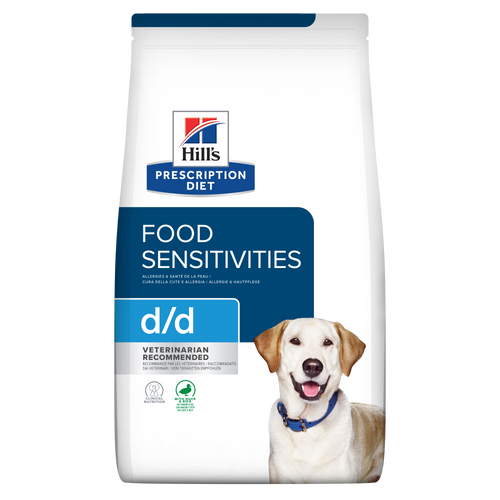
d/d Food Sensitivities Dry Dog Food with Duck & Rice Bag
Hypoallergenic - helps reduce food intolerances and supports skin health.
Related articles

Excessive Dog Itching: Potential Causes
Understand the potential causes of excessive dog itching and how to address them. Seek relief for your dog with expert advice from Hill's Pet UK.

Pyoderma in Dogs: What You Need to Know
Learn what pyoderma in dogs looks like, what causes it and how nutrition & your dog's food can play a role in preventing and treating the infection.

Why Your Dog Has Itchy Ears and What to Do About It
Discover what causes itchy ears in dogs and how to treat them. Get expert advice on relief at Hill's Pet.

Why Is My Dog Itching?
Find out why your dog is itching and discover potential causes, treatments, and more. Keep your dog's skin healthy with expert tips from Hill's Pet UK.
[1] Muller, et al. Food Hypersensitivity. In:Dyson, J., Ed. Small Animal Dermatology. Philadelphia: W.B. Saunders Company (1989), 470–474.
[1] Muller, et al. Food Hypersensitivity. In:Dyson, J., Ed. Small Animal Dermatology. Philadelphia: W.B. Saunders Company (1989), 470–474.