


As a concerned pet parent, reading about coronavirus disease COVID-19 might prompt you to wonder about the risk of infection between you and your pet.
At this time, there is no evidence that pet dogs, cats, food, or food packaging have been a source of infection.
Here's what else you might need to know about coronavirus and COVID-19 in dogs and cats. In particular, we note that the World Small Animal Veterinary Association (WSAVA) has issued a very helpful advisory document available at WSAVA Advisory Document which is regularly updated, and could assist in answering questions, including a specific Q&A.
What Types of Coronavirus Affect Humans?
The Centers for Disease Control and Prevention reports that there are seven coronaviruses that can infect people. Four types occur commonly all over the world and cause symptoms similar to those caused by the common cold. The other types of human coronavirus are more serious and include the new SARS-CoV-2 that causes COVID-19.
Signs of coronavirus in humans are similar to those seen in people with influenza, including fever, loss of energy and coughing. More serious infections can cause pneumonia and other severe health issues.



Tasty Tips
Should I Be Worried If My Pet Is Coughing?
If your pet is coughing, has a fever, is lethargic which are signs similar to those caused by COVID-19 in humans, please schedule an appointment with your veterinarian, as pets can have other diseases that could impact their health, including influenza, kennel cough, feline upper respiratory infections, heart failure, bronchitis, pneumonia and heartworm disease — just to name a few. Some of these may be caused by other viruses, but what's important to know is that these viruses or diseases are not associated with COVID-19 and there is no evidence, according to the CDC, of the spread of canine influenza virus to humans.
Can Humans Transmit COVID-19 to Their Pets?
To be on the safe side, if you've tested positive for COVID-19, the CDC recommends restricting your contact with people and animals. This means you shouldn't share food with your pet; pet, snuggle or kiss them; or let them lick you. If possible, have someone healthy care for your pet while you're sick. If you must care for your pet, wear a face mask and disposable gloves and wash your hands before and after touching them.
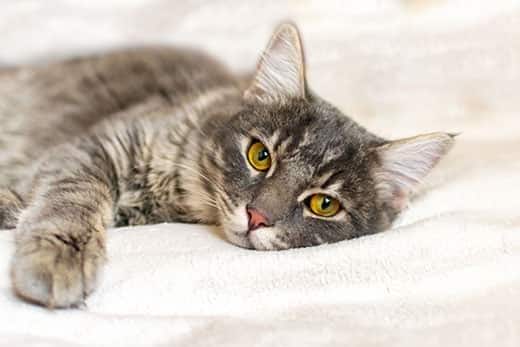
Coronavirus in Dogs and Cats
Coronavirus is a family of viruses. The name comes from the virus's appearance under a microscope. It's surrounded by rings of proteins that look like the sun's crown, or corona.
Dogs and cats can be affected by other types of coronavirus specific to them and that cause other diseases such as kennel cough, respiratory infections, and gastrointestinal issues. What's important to know is that none of these viruses are associated with COVID-19 and none of them are contagious to humans.
There is a recent study that suggests that cats may be able to contract COVID-19 to other cats, but there is no evidence that they can transmit COVID-19 to people.
What Else Do I Need to Know About COVID-19?
Here are some final things to note about the disease:
- Human-to-human spread of COVID-19 has occurred in numerous countries.
- At this time, there is no evidence that you can pass COVID-19 to your pets, or that your pets can pass it to you.
- Good hygiene and hand-washing can greatly reduce the chance of contracting and transmitting the disease.

Related articles
Tips For Mixing Wet And Dry Pet Food
Discover tips for mixing wet and dry pet food to ensure balanced nutrition and variety for your pet. For comprehensive feeding advice, visit Hill's Pet UK.

Pet Body Condition Score - Check Your Pet's Weight | Hill's Pet
Monitoring your pet’s body condition score (BCS) can help you help your pet maintain proper growth and weight for a long, healthy life.

Develop your gut instinct | Hill's Pet
Digestive disorders can affect any part of the digestive system, from the stomach, small intestine and through to the large intestine.
Virtual Vet Visits: What You Need to Know
Learn the ins and outs of a televet appointment before you talk to a vet online.

Put your pet on a diet without them knowing
Our low calorie formula helps you control your pet's weight. It's packed with high-quality protein for building lean muscles, and made with purposeful ingredients for a flavourful, nutritious meal. Clinically proven antioxidants, Vitamin C+E, help promote a healthy immune system.
Put your pet on a diet without them knowing
Our low calorie formula helps you control your pet's weight. It's packed with high-quality protein for building lean muscles, and made with purposeful ingredients for a flavourful, nutritious meal. Clinically proven antioxidants, Vitamin C+E, help promote a healthy immune system.