



Your new puppy: the first three months
Whatever the breed, all puppies develop in the same way; they pass through the same stages from infancy to maturity. Not only is it interesting for you to know about these stages, it is also important that you should be aware of what your puppy is capable of at any particular time of life.
Although puppies follow the same pattern of development, speeds can vary depending on the breed. Generally speaking, the smaller breeds develop faster and attain maturity before they're a year old; bigger dogs can take as long as eighteen months to develop fully.
From nought to two weeks
During these early few days and just like a new-born baby, puppies will just sleep and suckle. They'll be able to crawl and, if cold, will seek the warmth of brothers and sisters or their mother. Between 10 and 14 days, their eyes will open but sight will be weak for the first few weeks.
Week three
Your puppy's teeth will begin to come through, and they'll learn to walk and drink. By the end of the third week, sense of smell will develop. The breeder of your puppy should subject them to mild stress, but this isn't anything to be alarmed about. Simply picking them up and holding them in different positions is defined as mild stress. This will get your puppy used to human handling, and help them to cope later on in life.


Tasty Tips
From three to 12 weeks: Socialisation
This is a critical time for your puppy; if they’re to develop into a happy and healthy and well balanced pet dog, they need to experience humans, other dogs and the surroundings.
Stage One: From three to five weeks: Puppies start to react to loud sounds, which is useful for mother when she growls to stop them feeding at will. By four weeks, hearing, sight and sense of smell are working more efficiently. They'll bark, wag their tail and play-bite brothers and sisters. They'll also begin to eat solid food and leave the sleeping area to go to the toilet. From four to five weeks, they'll chase and play head shaking games; bare their teeth, growl, and carry things in their mouth.
Stage Two: From five to eight weeks: Your puppy's face will become more expressive and ears and eyes will be more coordinated . They'll join in playing games with brothers and sisters and by the seventh week, and will be ready to go to their new home. By the end of the eighth week, they'll be curious and willing to explore and investigate everything; but at the same time, show signs of caution.
In the final week before you take your puppy home, they should be taken away from their family and come into plenty of contact with humans, children as well as adults.
From week six to eight, your puppy will begin to settle in with you and your family and experience the sights, sounds and smells of their new home. As soon as they cross your threshold, you should begin house-training.
Stage Three: From eight to 12 weeks: Your new puppy will experience a very strong desire to please as they assess their position in a new family. You'll begin to teach them to play human games and help to reduce play-biting.

Related articles

What Is The Best Dog Food For Small Breeds?
Find the best nutrition for small breed dogs and what makes the perfect food choice for their health. Explore more guidance for small dogs at Hill's Pet UK.
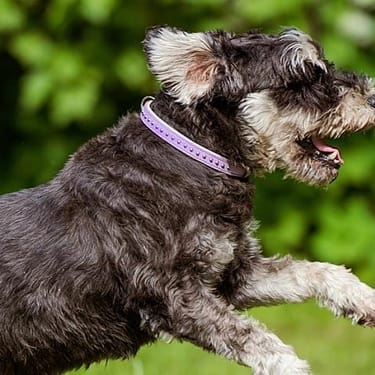
Develop Your Gut Instinct for Pets’ Digestive Disorders
Gurgling tummies in turmoil are not good news for pets. Owners who have to clean up the unfortunate consequences, digestive problems are one of the rare downsides to owning a pet.
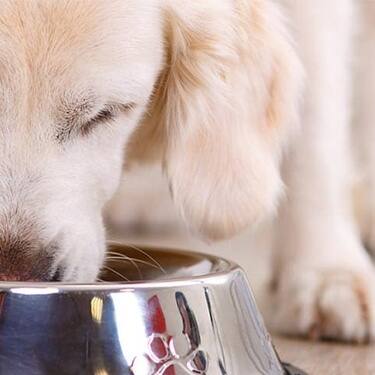
The Benefits of Wet Dog Food
Explore the benefits of wet dog food and how it can improve your pet's wellbeing and happiness. For more nutritional insights, visit Hill's Pet UK.
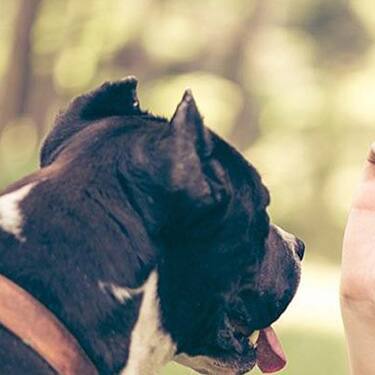
What to Feed Your Pregnant or Nursing Dog
Learn what you can feed your pregnant or nursing dog to keep her and her new pups healthy.
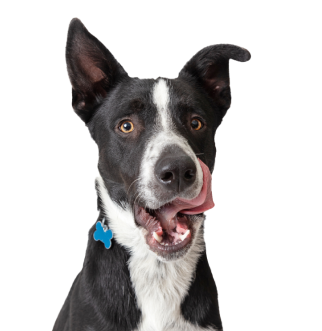
Put your dog on a diet without them knowing
Our low calorie formula helps you control your dog's weight. It's packed with high-quality protein for building lean muscles, and made with purposeful ingredients for a flavourful, nutritious meal. Clinically proven antioxidants, Vitamin C+E, help promote a healthy immune system.
Put your dog on a diet without them knowing
Our low calorie formula helps you control your dog's weight. It's packed with high-quality protein for building lean muscles, and made with purposeful ingredients for a flavourful, nutritious meal. Clinically proven antioxidants, Vitamin C+E, help promote a healthy immune system.