


A teenage puppy can be just as testing as a human teenager
If you thought 'terrible teenager' syndrome was reserved for humans, think again! Puppies hit adolescence at around six months and will often become quite willful as they test the limits and assert their independence. Your puppy will probably challenge your leadership now and you may notice a sharp decline in their desire to please you! All this is exacerbated by a hormonal surge brought about by growing sexual maturity. If you haven't already had your puppy neutered, now's a good time to do it.
How do you deal with your teenager?
All the hard work you've put in to socialise your puppy now needs to be reinforced. Keep exposing your dog to a variety of environments, people and other dogs.
Continue to play a lot and encourage good behaviour and discourage bad.
Expect some bold acts of rebellious courage! A puppy who has always followed you everywhere may, for example, suddenly refuse to come when called. You need to be firm but fair and show your puppy right from wrong.


Tasty Tips
Adolescent chewing
Another aspect of puppy adolescence that can be challenging is that they will often have an uncontrollable urge to chew. This is different to teething chewing since it happens after all the needle-like puppy teeth have fallen out.
Adolescent chewing could be to alleviate the discomfort as adult teeth settle into the jawbone or it could just be part of your puppy's discovery and exploration of their environment.
Whatever the reasons behind it, there are two things you can do to help you (and your belongings) survive the adolescent chewing phase. Firstly, provide your puppy with things meant to chewing and praise when using them, there are lots of different chews on the market. Secondly, do not leave your puppy unsupervised in places where there are valuable or dangerous items that might get chewed.
Adolescent scraps
At this stage your puppy may well get into some scraps with other dogs.
Adolescent puppies, particularly male ones, are often harassed by older dogs (again, particularly male) who seek to 'put them in their place.' This is often triggered by the testosterone fueled puppy's rude 'dog manners.' Neutering may help control this behaviour.
Always praise your puppy for friendly behaviour towards other dogs. If they meet and greet an unfamiliar dog on a walk and behaves well, you should lavish praise on and maybe even offer a small treat.
Adolescent growth and development
Different breeds mature at different rates. In general, the larger the breed, the longer it takes for their bones to develop fully. Larger breeds require different levels of nutrients for their bone growth and development compared to smaller breeds. Some big breeds may not be skeletally mature until 18 months of age; whereas a small breed may have stopped growing at around 6-8 months of age.
Your vet will keep an eye on your puppy's growth and development and conduct a full adolescent health check.
Adulthood
The young adulthood stage of your puppy's development usually lasts from about 8-18 months. It's generally a great time as your puppy will still be full of youth and exuberance but will have had some of those teenage 'rough edges' smoothed off!

Related articles

What Is The Best Dog Food For Small Breeds?
Find the best nutrition for small breed dogs and what makes the perfect food choice for their health. Explore more guidance for small dogs at Hill's Pet UK.
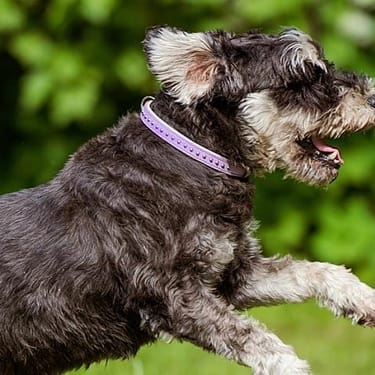
Develop Your Gut Instinct for Pets’ Digestive Disorders
Gurgling tummies in turmoil are not good news for pets. Owners who have to clean up the unfortunate consequences, digestive problems are one of the rare downsides to owning a pet.
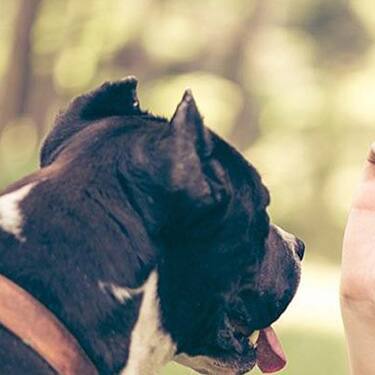
What to Feed Your Pregnant or Nursing Dog
Learn what you can feed your pregnant or nursing dog to keep her and her new pups healthy.
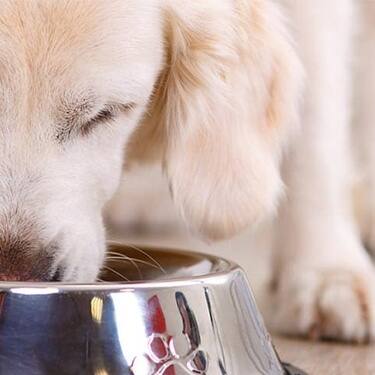
The Benefits of Wet Dog Food
Explore the benefits of wet dog food and how it can improve your pet's wellbeing and happiness. For more nutritional insights, visit Hill's Pet UK.
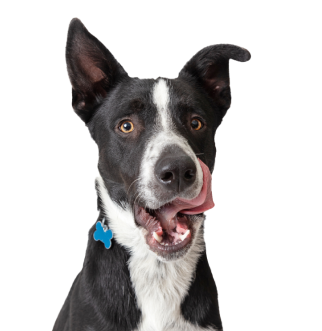
Put your dog on a diet without them knowing
Our low calorie formula helps you control your dog's weight. It's packed with high-quality protein for building lean muscles, and made with purposeful ingredients for a flavourful, nutritious meal. Clinically proven antioxidants, Vitamin C+E, help promote a healthy immune system.
Put your dog on a diet without them knowing
Our low calorie formula helps you control your dog's weight. It's packed with high-quality protein for building lean muscles, and made with purposeful ingredients for a flavourful, nutritious meal. Clinically proven antioxidants, Vitamin C+E, help promote a healthy immune system.