


Is your dog vomiting after eating? There are a few things that could be bothering their stomach.
First, cover the basics: Have you changed your dog's nutrition recently? Is your dog competing with other pets for food? Has your dog recently eaten grass? These are all possible reasons for vomiting after eating. Find out why and when you should see the veterinarian.
Transitioning to a New Dog Food
Sudden changes to your dog's food may result in gastrointestinal issues, so switching dog food (varieties or brands) too quickly can upset their stomach. Above all, it's important to transition to a new food slowly, typically over 7-10 days. Before you make the decision to change foods, check with your veterinarian. If you continue to see signs of stomach issues or your dog does not stop vomiting, you should bring them to the vet as soon as possible. Your dog may have an allergy or food intolerance, or may have a more serious problem (foreign body in the stomach, systemic disease etc.).
If you've recently begun the transition to a Hill's food, be sure to start small and gradually build up the amount until it's the only food you're offering.


Tasty Tips
Quick Eating due to Anxiety
Although most pet parents assume that a dog vomiting after eating may have a sensitivity to the food, it isn't necessarily the case. Anxiety or fear may be the driving force to why a dog throws up after eating. Does your dog compete with other dogs in the house for food? Their sense of territory can make them eat faster, which may overload their stomach and decrease the amount of saliva normally swallowed with the food that acts as a buffer. Just like us, nervousness and stress can make your dog feel queasy and increase acid in the stomach.
When dogs eat too quickly, they don't take the time to chew the larger pieces of kibble. They also ingest a significant amount of air, both of which can come back up by regurgitation or by vomiting. If possible, feed your anxious dog in a secluded area, without any other animals around. Start with small meals and gradually build back up to a normal-sized dinner.

There can be other underlying issues associated with a dog's anxiety that can affect their ability to keep food down. Has there been changes in the house that might have disrupted their routine? Have you moved recently or changed your work schedule? Changes like this can make your dog anxious, which can affect the digestive system. If you suspect that something like this could be why your dog is throwing up after eating, continue to show your love. Give praise, pet and play with them, and reassure them that everything is okay. Slowly, over time they will adapt to the changes and get back to their old self. It is still important to monitor eating habits to make sure that there isn't a larger issue at hand–if it is happening more than once every few weeks, you should consult your veterinarian. Vomiting due to other health concerns is more common than due to anxiety.
He Loves the Taste
Similar to anxiety eating, your dog may eat too fast if they love the taste of the food. There's nothing wrong with enjoying a meal, but you want to be sure your dog gets all the nutrition they can get without it coming back up.
One way to reduce this tendency is by feeding smaller portions until you notice their intake has naturally slowed down. Another option is to serve your dog's meals spread out on a large flat plate or baking sheet. This forces your dog to take longer to locate and ingest each piece, reducing the chances of vomiting after eating. There are also special dog food puzzle toys that require dogs to work a little harder to get the food out. Just be sure to monitor they still eat all of the food, and doesn't get frustrated by the new meal delivery system.
He Recently Ingested Grass
While dogs may eat grass for a variety of reasons with no adverse effects, dogs that aren't feeling well for other reasons may eat grass and vomit, possibly removing whatever made them sick. Once your dog vomits the grass and food, they should feel better and shouldn't need any additional medical care, if it’s just a simple upset stomach. Remember to keep your dog hydrated and watch closely to ensure vomiting doesn't persist, and that there is nothing else wrong.
If your dog simply cannot stop vomiting after eating food and grass, see your vet or emergency clinic as soon as possible. There could be something else wrong and whatever the cause, quick attention will make your dog feel better.

Related articles

What Is The Best Dog Food For Small Breeds?
Find the best nutrition for small breed dogs and what makes the perfect food choice for their health. Explore more guidance for small dogs at Hill's Pet UK.
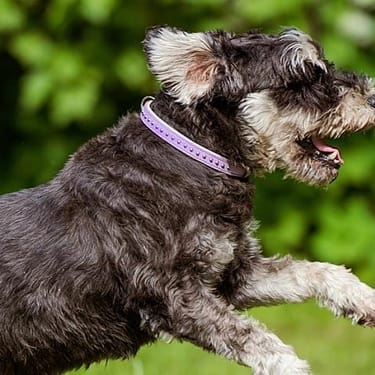
Develop Your Gut Instinct for Pets’ Digestive Disorders
Gurgling tummies in turmoil are not good news for pets. Owners who have to clean up the unfortunate consequences, digestive problems are one of the rare downsides to owning a pet.
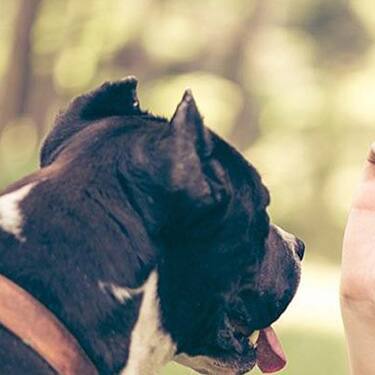
What to Feed Your Pregnant or Nursing Dog
Learn what you can feed your pregnant or nursing dog to keep her and her new pups healthy.
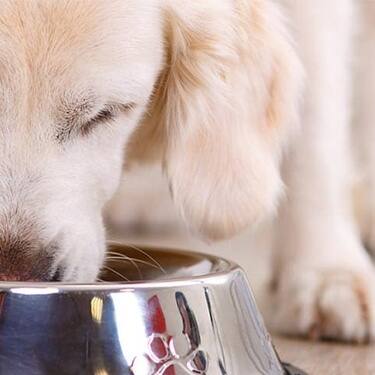
The Benefits of Wet Dog Food
Explore the benefits of wet dog food and how it can improve your pet's wellbeing and happiness. For more nutritional insights, visit Hill's Pet UK.
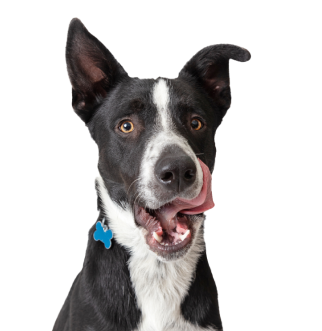
Put your dog on a diet without them knowing
Our low calorie formula helps you control your dog's weight. It's packed with high-quality protein for building lean muscles, and made with purposeful ingredients for a flavourful, nutritious meal. Clinically proven antioxidants, Vitamin C+E, help promote a healthy immune system.
Put your dog on a diet without them knowing
Our low calorie formula helps you control your dog's weight. It's packed with high-quality protein for building lean muscles, and made with purposeful ingredients for a flavourful, nutritious meal. Clinically proven antioxidants, Vitamin C+E, help promote a healthy immune system.