


You've no doubt seen lists declaring which breeds are the most intelligent dogs. Although these lists may vary slightly, they usually have one thing in common — they're dominated by larger dog breeds. But what about small dogs? Aren't they smart, too? You may know your Chihuahua or miniature poodle is a genius, so why are those breeds never included? We've got the lowdown on small dogs vs. big dogs when it comes to intelligence, so keep reading to learn why your favourite small breed never makes the list.
Intelligent Dogs
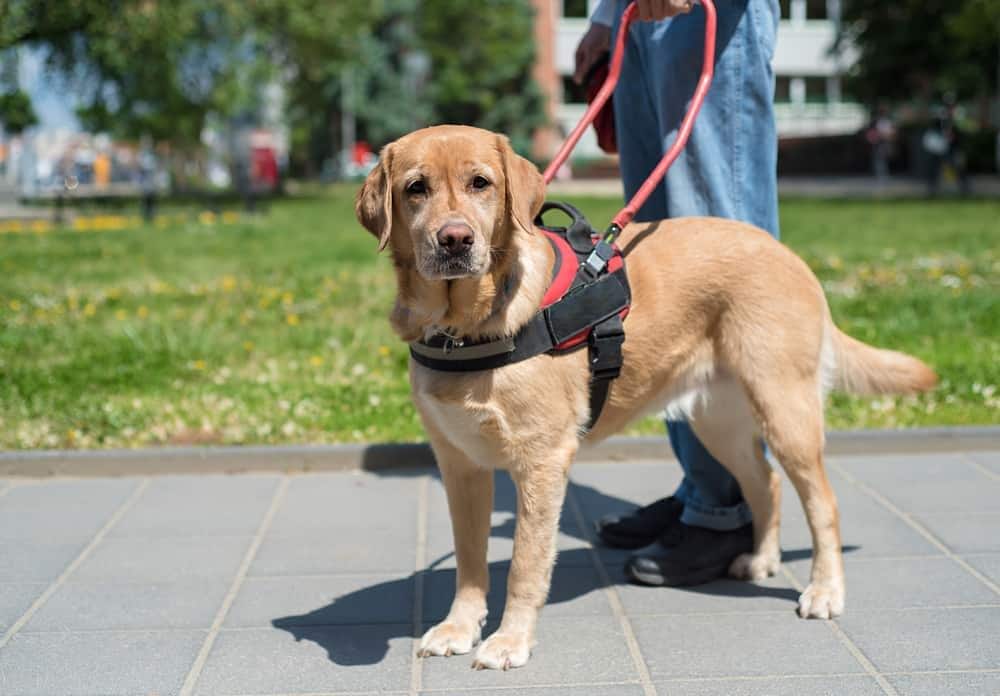
Just as humans have different types of intelligence and aptitudes — one person may be a maths whiz, for example, while others may be musical, artistic or athletic — dogs do, too. Referring to research from leading canine intelligence expert Professor Stanley Coren, Pets4Homes identifies three different intelligence categories. These include:
- Instinctive intelligence. This is a dog's aptitude for performing the tasks they were bred to do. For example, hounds are bred for tracking and hunting prey, while herding dogs are bred to herd sheep and cattle, and other working breeds are bred to perform specific tasks. This measure indicates how well these dogs perform instinctive tasks. It also indicates how attuned companion dogs are to their owners' moods and emotional cues. Every dog possesses a measure of instinctive intelligence.
- Adaptive intelligence. This measure of intelligence identifies how well a dog can solve problems without human intervention. For example, a dog requires adaptive intelligence to retrieve a piece of food that fell in a hard-to-reach place without being shown how.
- Working and obedience intelligence. This measure of intelligence demonstrates how well and how quickly dogs can be trained to behave and to perform tasks on command. Dogs that score well in this category tend to excel in obedience, agility, sports and other types of training.
Lists of intelligent dog breeds typically focus on the third category while mostly ignoring the first two. And with very few exceptions, large breeds weighing between 25 and 40 kilos tend to perform best in the last category.


Tasty Tips
Small Dogs vs. Big Dogs
Does this mean that smaller dog breeds — those weighing less than 15 kilos — are dumb? Absolutely not! Many small dogs score well on the other measures of intelligence. And it's worth noting that dog IQ tests focus more on reasoning and problem-solving skills than on obedience and trainability. So then why do small dogs tend to perform poorly in this latter category? There are a few theories, none of which require your small dog to don a dunce cap.
Shape of Head
One notable study links the shape of a dog's head to ease of training, says Psychology Today. The theory is that both brachycephalic dogs — those with short faces and flat noses, such as bulldogs and pugs — and dolichocephalic dogs — those with narrow, elongated faces, such as greyhounds — were bred for specific tasks: the former for fighting and guarding, the latter for running and chasing prey. Meanwhile, mesocephalic dogs — those with average-shaped heads, like Labrador retrievers — tend to lack such specialisation, which, according to researchers, may give them more cognitive flexibility that makes them better at learning new tasks.
Temperament
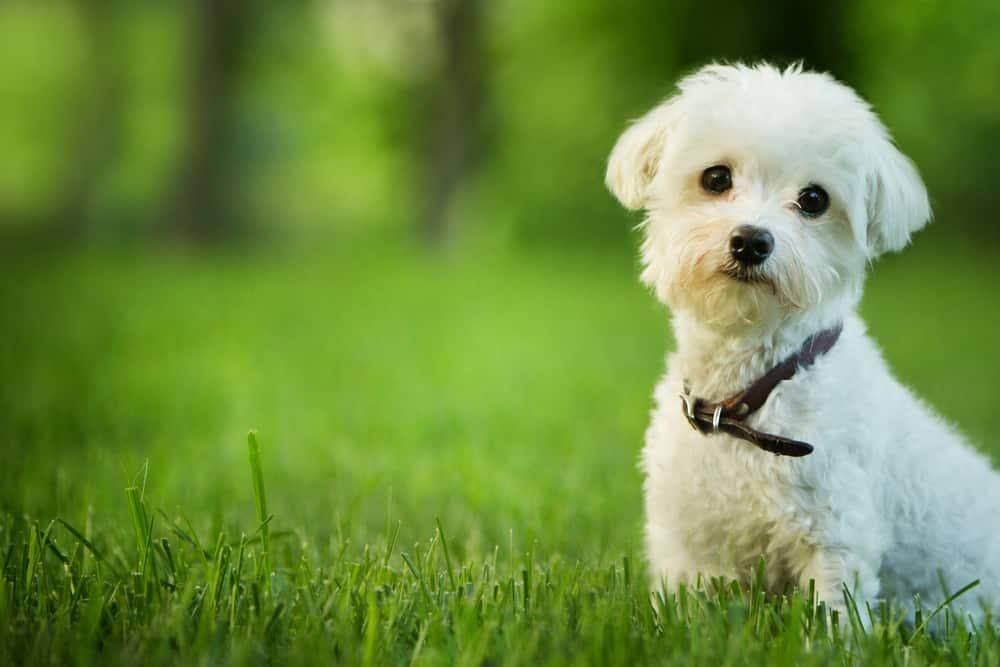
A dog's temperament may also affect their trainability and submissiveness. Breeds that typically make the intelligent dog lists, such as golden retrievers or border collies, tend to be extremely friendly and eager to please. On the other hand, small dogs, according to a 2010 study in Applied Animal Behaviour Science, are often more anxious and excitable, and show stubbornness and poor obedience.
Some may argue that having a mind and will of their own actually makes small dogs more intelligent than their larger, more happy-go-lucky counterparts. As for fearfulness and excitability, it's understandable that the world is a scarier place for small dogs than it is for large dogs. It's possible that small dogs are too busy watching for possible dangers to be bothered with learning new tricks.
Influence of Pet Parents
Another theory is that small dogs' overall poorer performance in the obedience and training category has nothing to do with innate ability and everything to do with their treatment and conditioning. The study in Applied Animal Behaviour Science found that small-dog parents tend to interact with their dogs in ways that reinforce aggression, excitability and fearfulness and undermine obedience learning. For example, small-dog parents are generally less consistent in training and interacting with their dogs than large-dog parents are. Small-dog parents also tend to rely more on punishment, such as scolding and lead-jerking, to correct their dogs' behaviour, which has been shown to reinforce fearfulness and aggression in dogs. The study also found that small-dog parents typically engage less in play and shared activities, such as fetching or taking walks — activities that tend to produce more well-behaved, obedient dogs.
Though it may seem like those lists of the most intelligent dogs are biased toward larger dogs, the truth is that they're usually biased toward dogs that are eager to please and easy to train. Don't get us wrong — it certainly takes smart dogs to learn good manners and to perform certain tasks. And many of the breeds on intelligent dog lists make excellent service, police and military dogs, all of which command our respect.
But you know your dog best. If you're convinced your small dog is brilliant, you're not wrong. The bottom line is you don't need a list to tell you whether your dog is intelligent — and your dog doesn't need to be smart to be worthy of love and affection.

Related articles
The Benefits of Wet Dog Food
Explore the benefits of wet dog food and how it can improve your pet's wellbeing and happiness. For more nutritional insights, visit Hill's Pet UK.
What to Feed Your Pregnant or Nursing Dog
Learn what you can feed your pregnant or nursing dog to keep her and her new pups healthy.

What Is The Best Dog Food For Small Breeds?
Find the best nutrition for small breed dogs and what makes the perfect food choice for their health. Explore more guidance for small dogs at Hill's Pet UK.
Develop Your Gut Instinct for Pets’ Digestive Disorders
Gurgling tummies in turmoil are not good news for pets. Owners who have to clean up the unfortunate consequences, digestive problems are one of the rare downsides to owning a pet.
Put your dog on a diet without them knowing
Our low calorie formula helps you control your dog's weight. It's packed with high-quality protein for building lean muscles, and made with purposeful ingredients for a flavourful, nutritious meal. Clinically proven antioxidants, Vitamin C+E, help promote a healthy immune system.
Put your dog on a diet without them knowing
Our low calorie formula helps you control your dog's weight. It's packed with high-quality protein for building lean muscles, and made with purposeful ingredients for a flavourful, nutritious meal. Clinically proven antioxidants, Vitamin C+E, help promote a healthy immune system.