


Urinary blockage is a painful and life-threatening condition that typically affects male cats. If your male cat has urinary blockage, it means their urethra—the tube that drains urine from the bladder to the penis and out of the body—is blocked by a plug of minerals and cells. When the urethra is blocked and urine can't exit the body, the bladder becomes overfilled or "hyperextended". And if the blockage goes on for too long, the kidneys may start to swell and become damaged, and eventually the bladder may rupture, leading to leakage of urine into the abdominal cavity of the cat.
Male cat urinary blockage is quite common, especially among neutered male cats; therefore, it's critical for pet parents to look out for any signs of the condition. The sooner a cat receives proper treatment, the more likely they are to have a healthy recovery.
Causes of Male Cat Urinary Blockage
Neutered male cats are especially prone to urinary blockage because they may have narrow urethras — so narrow that involuntary urethral muscle spasms can block the flow of urine. A male cat's urethra can also become blocked by small urinary stones or by urethral plugs: a mixture of cells that are used to line the bladder, mucus and crystals formed from minerals in the urine. Additional causes of urinary blockage are from feeding foods high in magnesium or the presence of an underlying condition called feline idiopathic cystitis (FIC).
Signs and Diagnosis of Male Cat Urinary Blockage
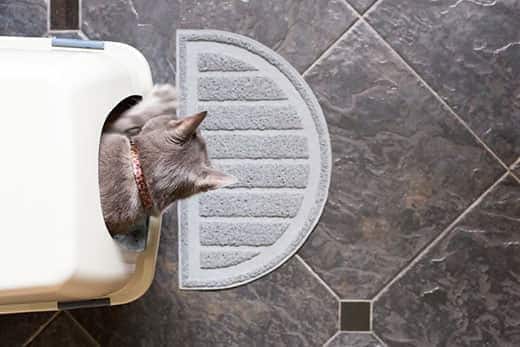
The most common sign of what is also called a "blocked cat" is going to the litter box to urinate, getting into position and having nothing come out. Your cat may also seem uncomfortable or yowl when trying to urinate. If the blockage continues, your cat will develop something vets call “uraemia”, which is caused by all the toxins that are normally put in the urine piling up in the body, which can result in a depressed or altered mental state, vomiting and a slow heart rate. They may also hide or avoid human contact.
The veterinarian will diagnose your cat based on their medical history, a physical examination, blood and urine tests, and possibly an abdominal X-ray or ultrasound. If they suspect that your cat has a bladder infection (which is actually quite rare in cats), the vet may submit a urine sample for culture.
Treating Urinary Blockage
If your cat has urinary blockage, they should be hospitalised immediately for emergency treatment. The veterinary staff may place an intravenous catheter to deliver fluids and medicine to your cat. Your cat will then be sedated and a urinary catheter will be placed to relieve the obstruction and empty their bladder. The catheter is then left in place for several days to let the urethra heal and let your cat recover. Most blocked cats are hospitalised for several days.
Once your cat is urinating normally, you'll be able to bring them home. The vet will likely prescribe them antibiotics, pain medicine and/or medicine to relax the urethra, as well as recommend a therapeutic food formulated for urinary health, because of the previous catheterisation, and to help prevent the recurrence of FIC and urinary stones.


Tasty Tips
Preventing Male Cat Urinary Blockage
Unfortunately, once a male cat has a urinary blockage, there's a higher risk of it happening again. At the first sign of urinary issues, you should have a conversation with your vet about selecting proper nutrition to better support your cat's urinary health to reduce the risk of recurring issues. In highly recurrent cases it's also possible for your vet to suggest a cat urethrostomy — a surgery that creates an opening in the urethra above the blockage to allow for normal urine drainage.
Water consumption is an important part of flushing debris from your cat's system and preventing blockage; try offering them water from a drinking fountain instead of a bowl, flavouring a second water bowl with some tuna juice and switching them to canned food if they currently eat dry food.
Nutrition can also play an important role in preventing blockage. If your cat already experiences urinary health issues, then a therapeutic cat food may help dissolve your cat's crystals or make it less likely they form new ones and maintain a healthy urine pH that contributes to overall urinary health. This food is available through your veterinarian and should be fed under the supervision of a vet; ask your vet if a Prescription Diet cat food might be right for your cat.
The Role of Stress
Another major factor in feline lower urinary tract disease (FLUTD) related conditions is stress, so it is important to consider your cat’s stress level when evaluating urinary issues. Cats are susceptible to stress-related lower urinary disorders, also known as Feline Idiopathic Cystitis (FIC), which can result in blockage. Reducing a cat's stress may lower their chance of lower urinary tract diseases, including urethral blockage.
Your cat could be stressed if:
- They're bored
- The household has too many cats and they have to compete for resources (i.e., alone time at the litter box or competing for food and water)
- Other cats bully them
- Their litter box is dirty
Sometimes, having out-of-town visitors, moving furniture or renovating can stress a cat out as well. If your cat is having issues with urinary blockage, consider whether there's anything that could be causing them stress, then try to eliminate those stressors. Here are a few tips on how to eliminate stress for your cat:
- Provide your cat with plenty of toys to engage them.
- Make sure to keep at least one more litter box in the home than you have cats, so they can have some privacy to do their business. Make sure to separate these litter boxes throughout the house. Also, be sure to clean the litter boxes daily.
- Also, make sure to have one bowl per cat. Think about it: do you want to share a plate with someone else?
- Provide your cat with a cat perch or condo. Cat's love to be up high where they can see things and it gives them the privacy they want.
- Finally, talk to your vet about certain therapeutic foods that are formulated to manage stress response in cats.
Although urethral blockage is common among neutered male cats, it doesn't have to be a problem for your kitty. Have a conversation with your vet to determine the best line of treatment for your cat.

Related articles
How To Feed a Cat With a Sensitive Stomach
Discover what you can do to spot and support a sensitive cat stomach. See what routines and food you can implement to help your cat be happy and healthy.
How Often Should You Feed A Cat?
Feeding time can be a wonderful bonding opportunity for you and your cat. Find out how to make the most of it and create a healthy habit with HIll's Pet UK.
Hill's Cat Foods: Nutritional Balance Just for Indoor Cats
Find the right Hill
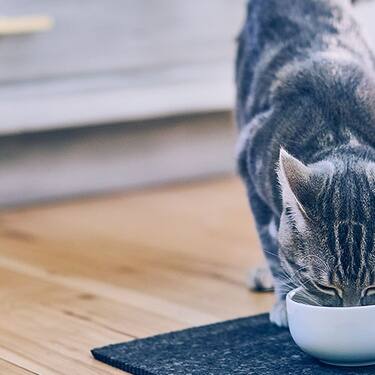
Cats Need Good Nutrition In Order To Stay Healthy
Good nutrition is about the right balance of nutrients. Learn more about health issues when feeding a cat food that has an improper nutritional balance from your friends at Hills Pet Nutrition.
Put your cat on a diet without them knowing
Our low calorie formula helps you control your cat's weight. It's packed with high-quality protein for building lean muscles, and made with purposeful ingredients for a flavourful, nutritious meal. Clinically proven antioxidants, Vitamin C+E, help promote a healthy immune system.
Put your cat on a diet without them knowing
Our low calorie formula helps you control your cat's weight. It's packed with high-quality protein for building lean muscles, and made with purposeful ingredients for a flavourful, nutritious meal. Clinically proven antioxidants, Vitamin C+E, help promote a healthy immune system.